The Ringstrasse
Vienna’s Ringstrasse — A Grand Boulevard of Empire, Power, and Modernity
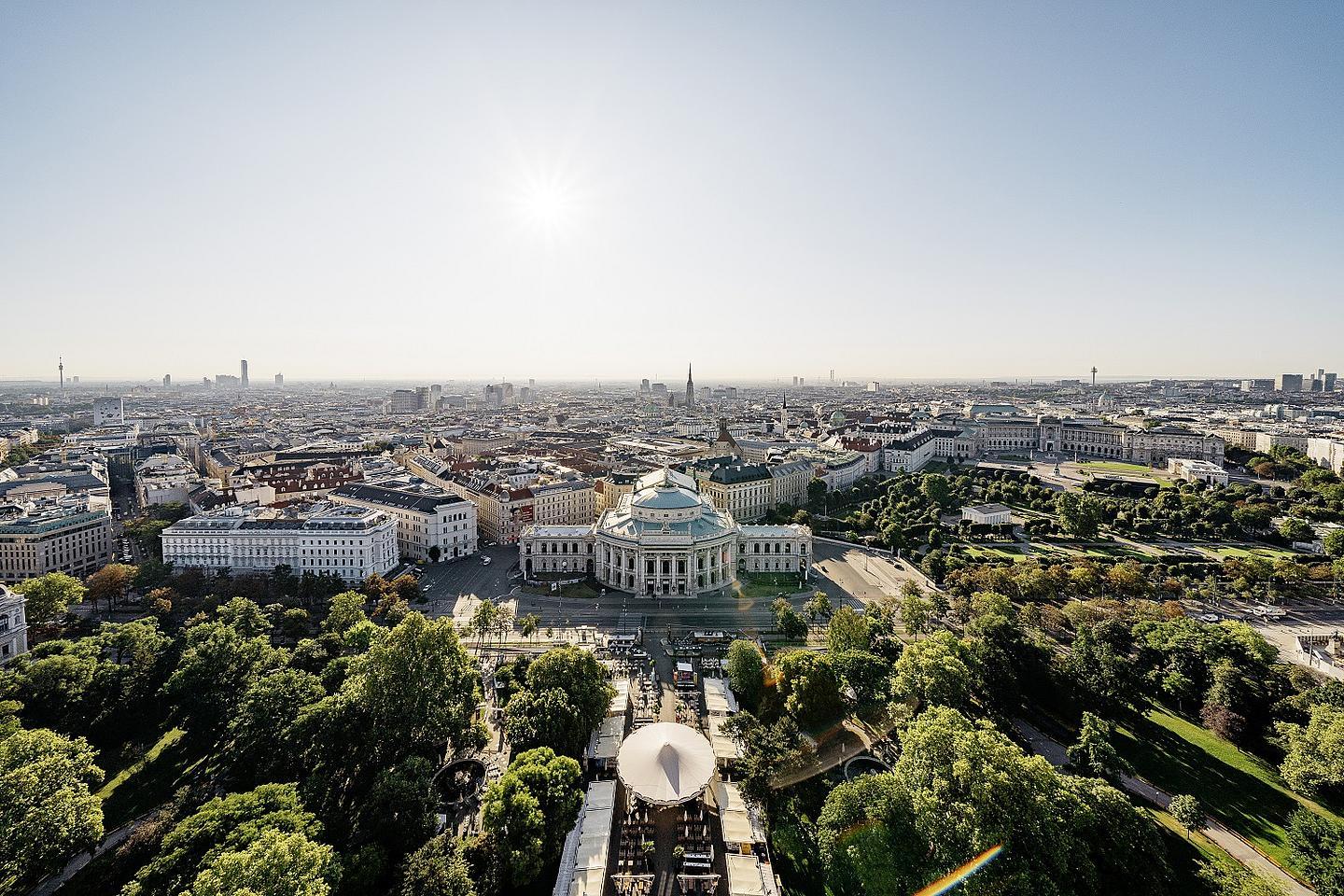
The Ringstraße in Vienna is one of Europe’s most ambitious urban planning projects—a sweeping boulevard lined with monumental architecture that reflects the political ambitions and cultural identity of the Austro-Hungarian Empire.
Origins: Demolishing the Old to Build the New (1850s)
For centuries, Vienna was enclosed by massive medieval walls designed to defend against invasions, including the famous Siege of Vienna (1683). By the mid-19th century, these fortifications had become obsolete—and restrictive.
In 1857, Emperor Franz Joseph I issued a decree ordering the demolition of the city walls. His vision: replace them with a grand boulevard that would symbolize imperial strength, modern progress, and unity.
This wasn’t just urban renewal—it was a political statement. The empire sought to present itself as forward-looking while maintaining its deep historical roots.
Construction and Vision (1860s–1890s)
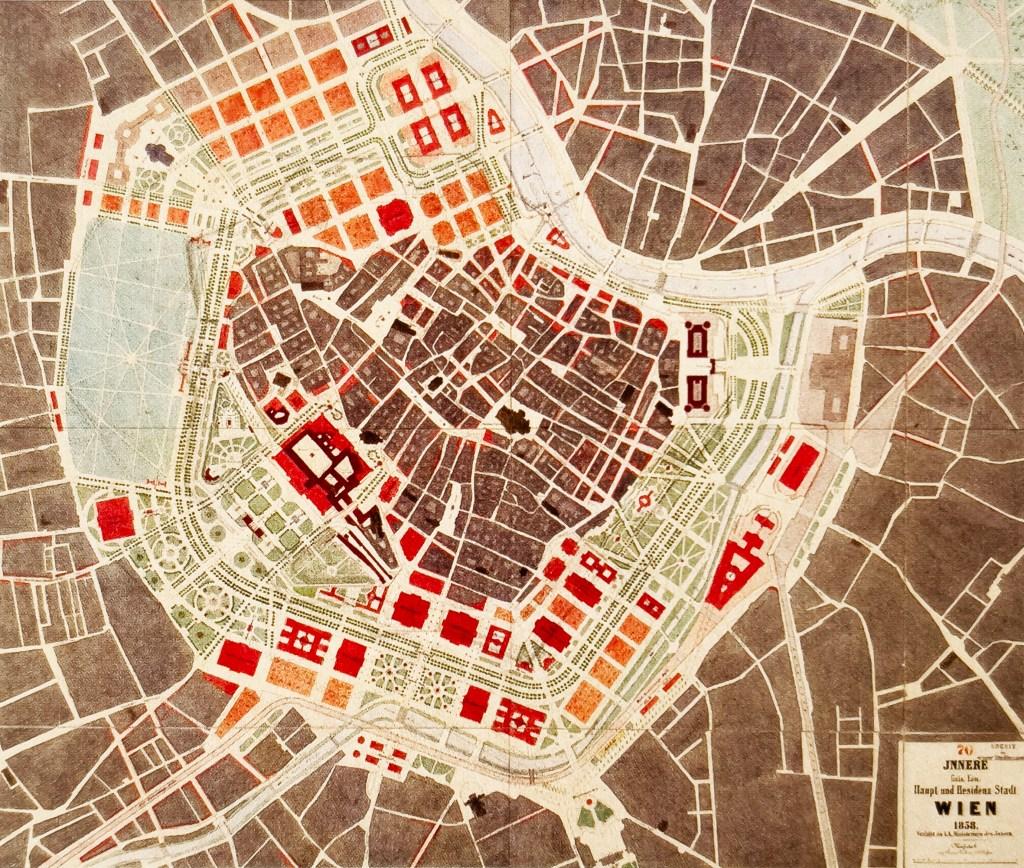
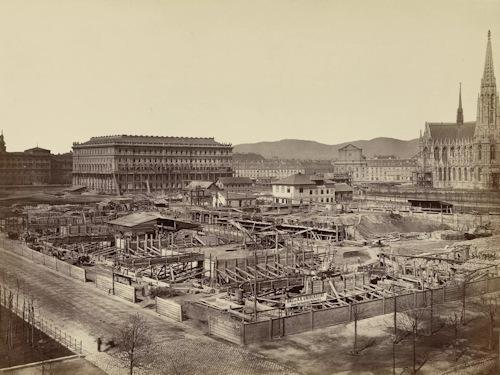
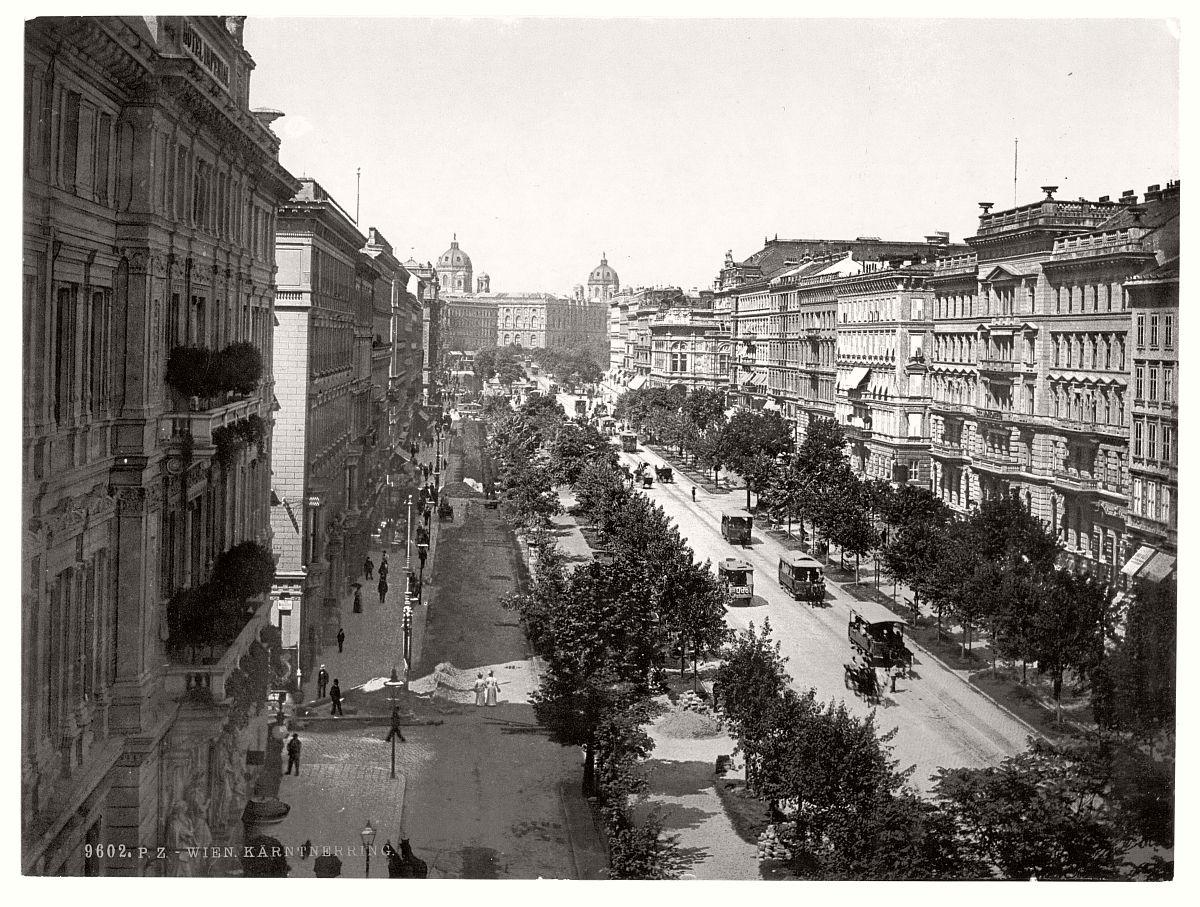
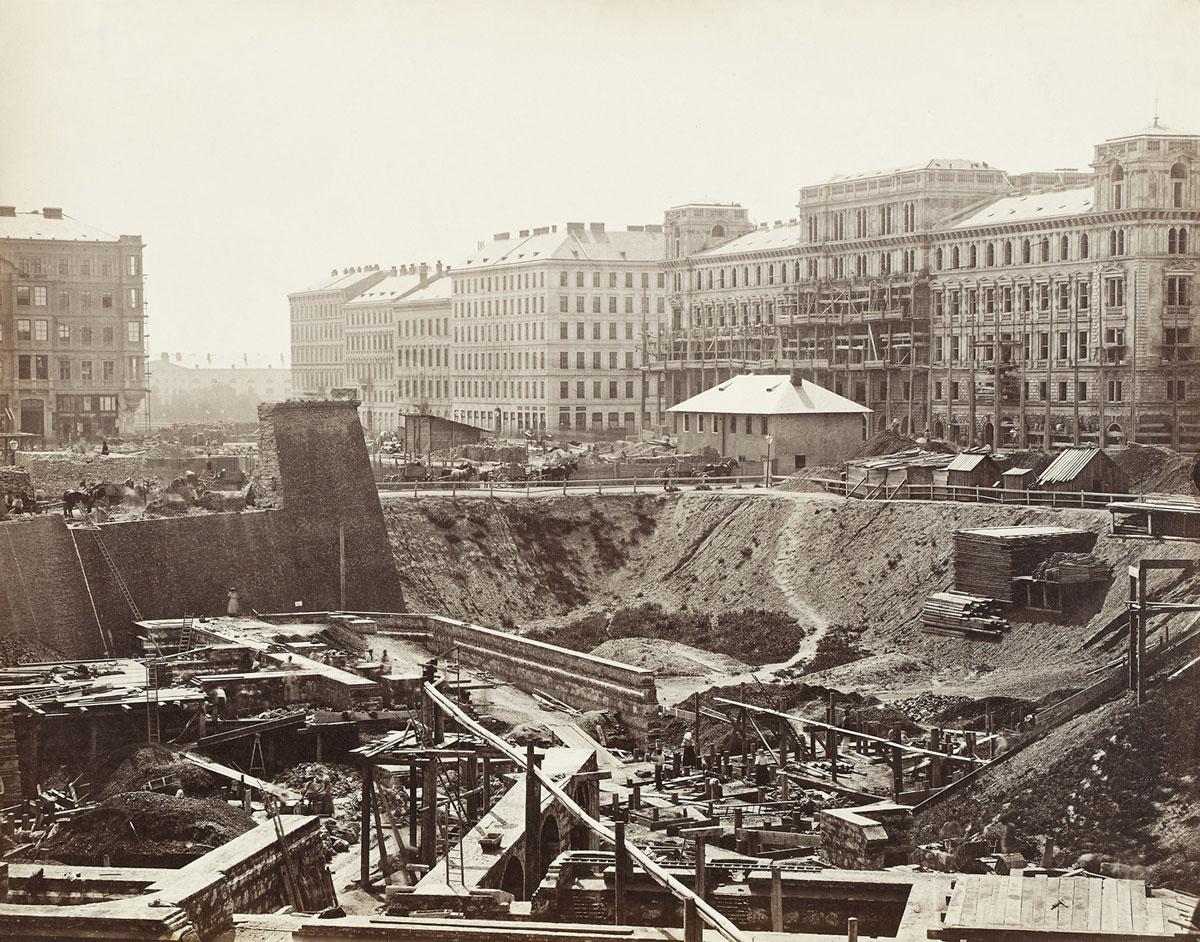
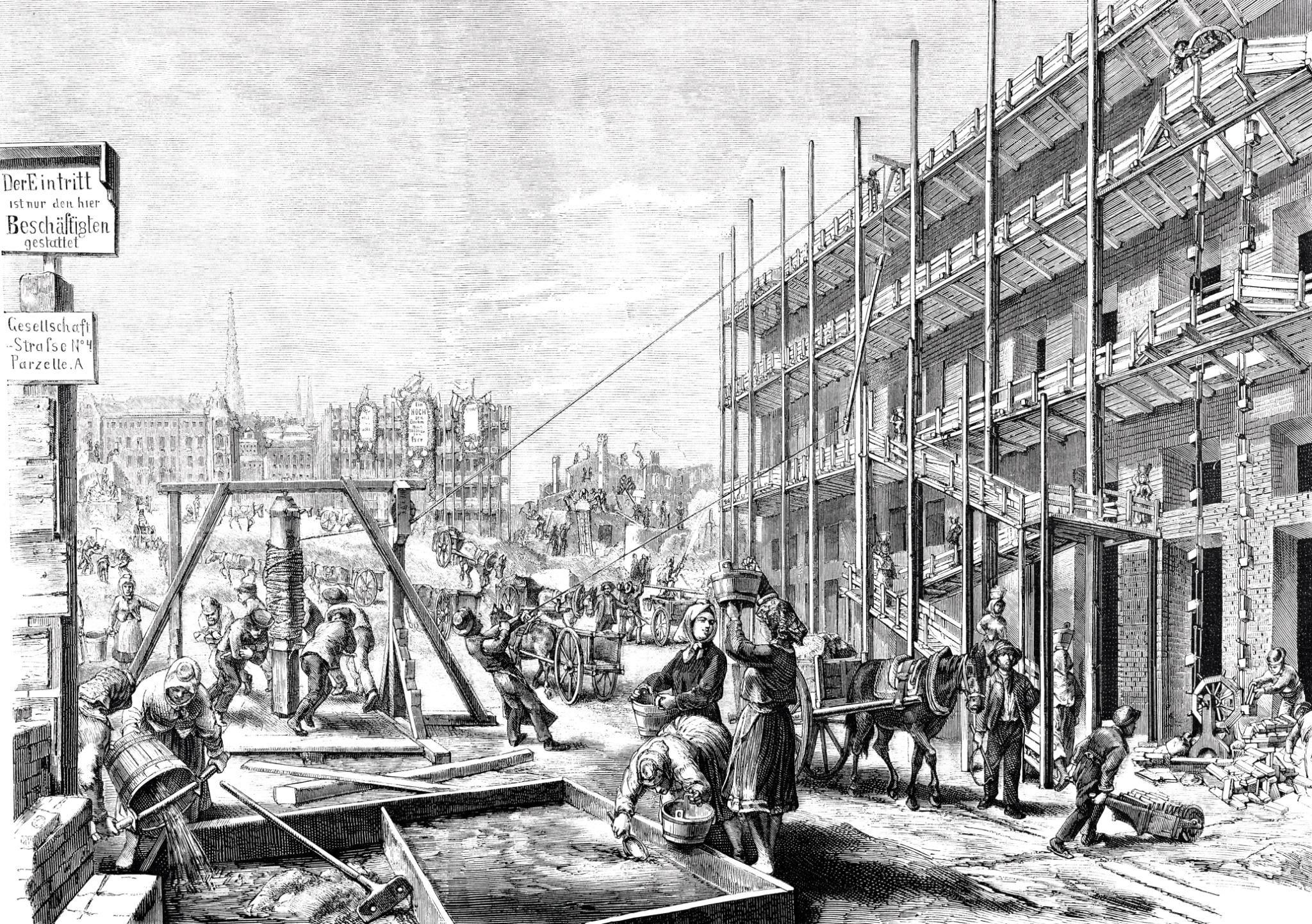
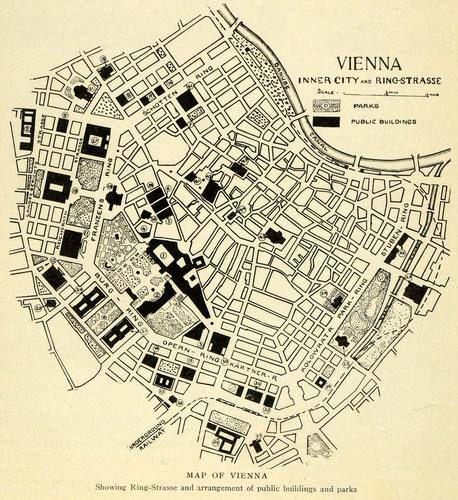
Construction began in the 1860s, transforming the former defensive perimeter into a wide, tree-lined boulevard. The project unfolded over decades and became a showcase of architectural styles.
Rather than a single unified design, the Ringstrasse features Historicism—a blend of revival styles, each chosen to match the function of the building:
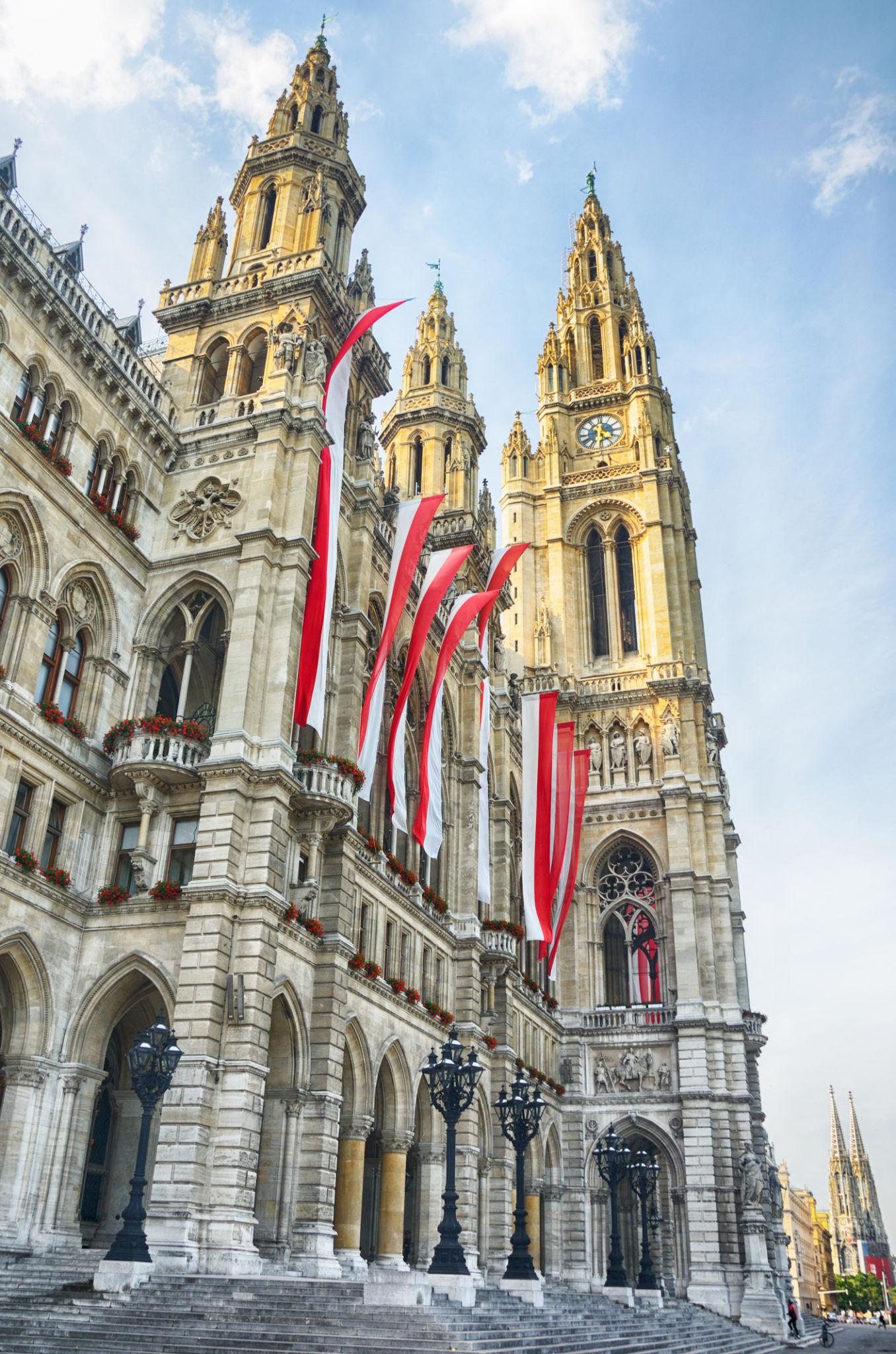
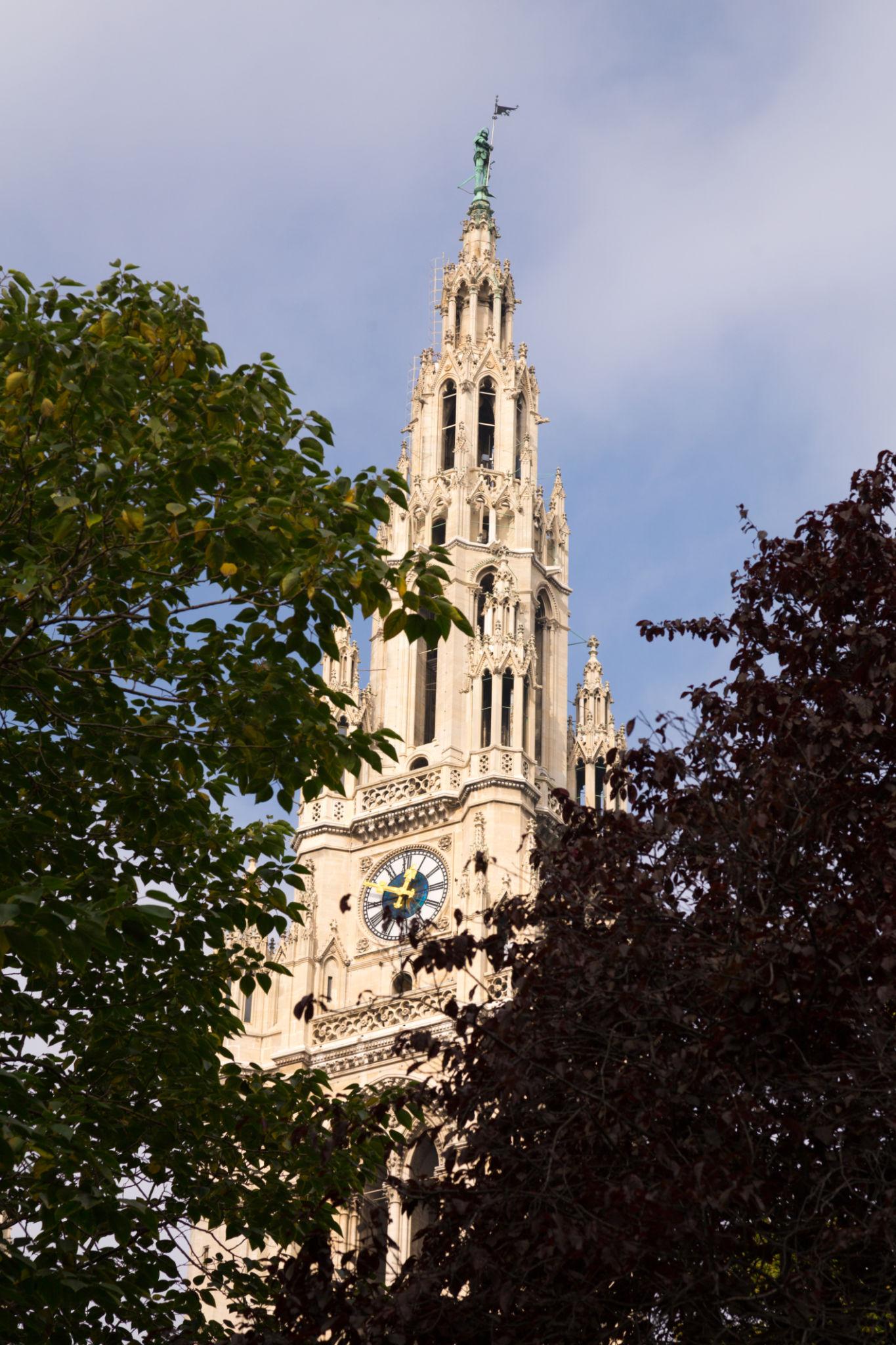
- Neo-Gothic → associated with civic pride (e.g., City Hall)
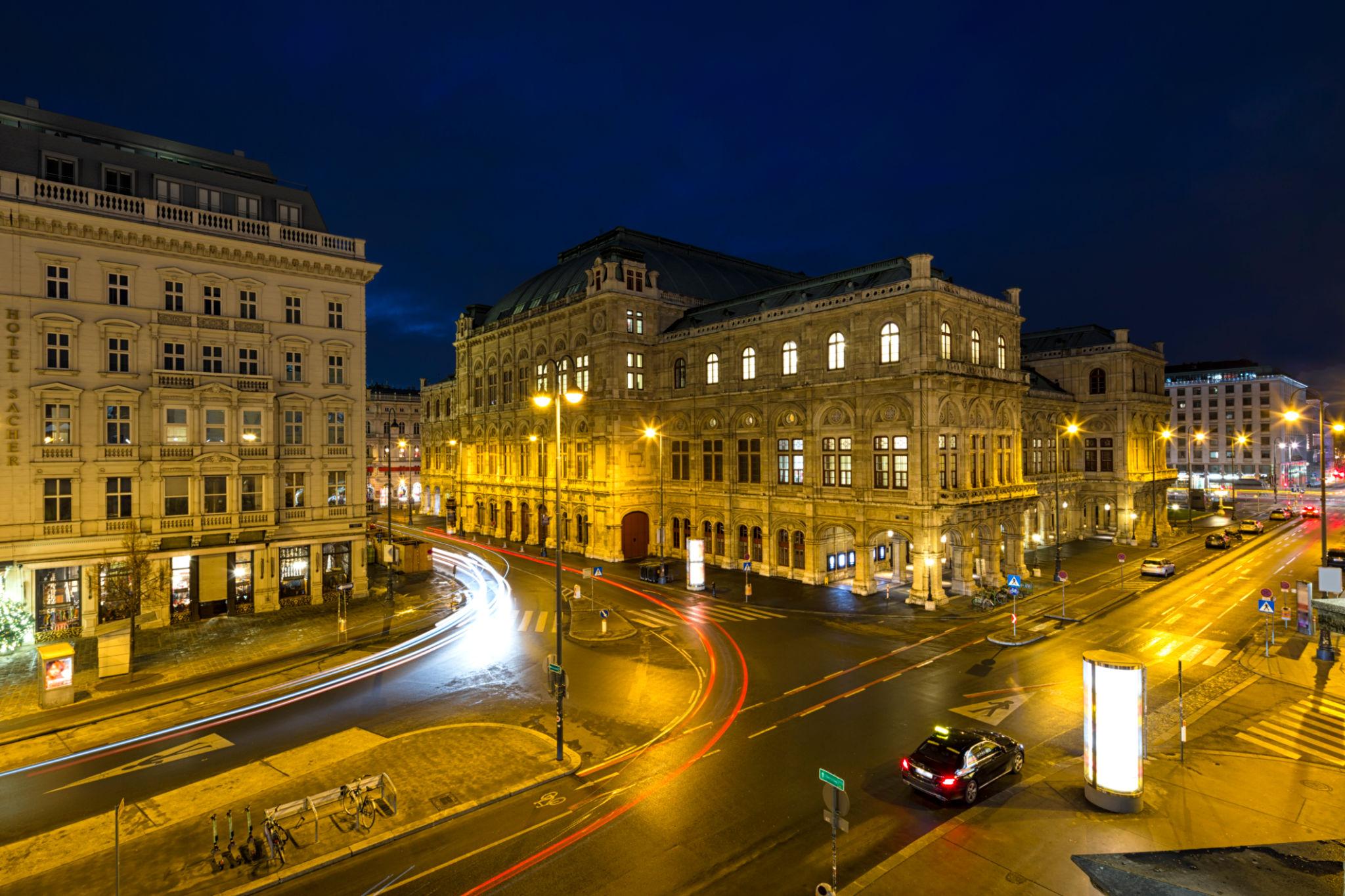
- Neo-Renaissance → linked to culture and learning (museums, opera)
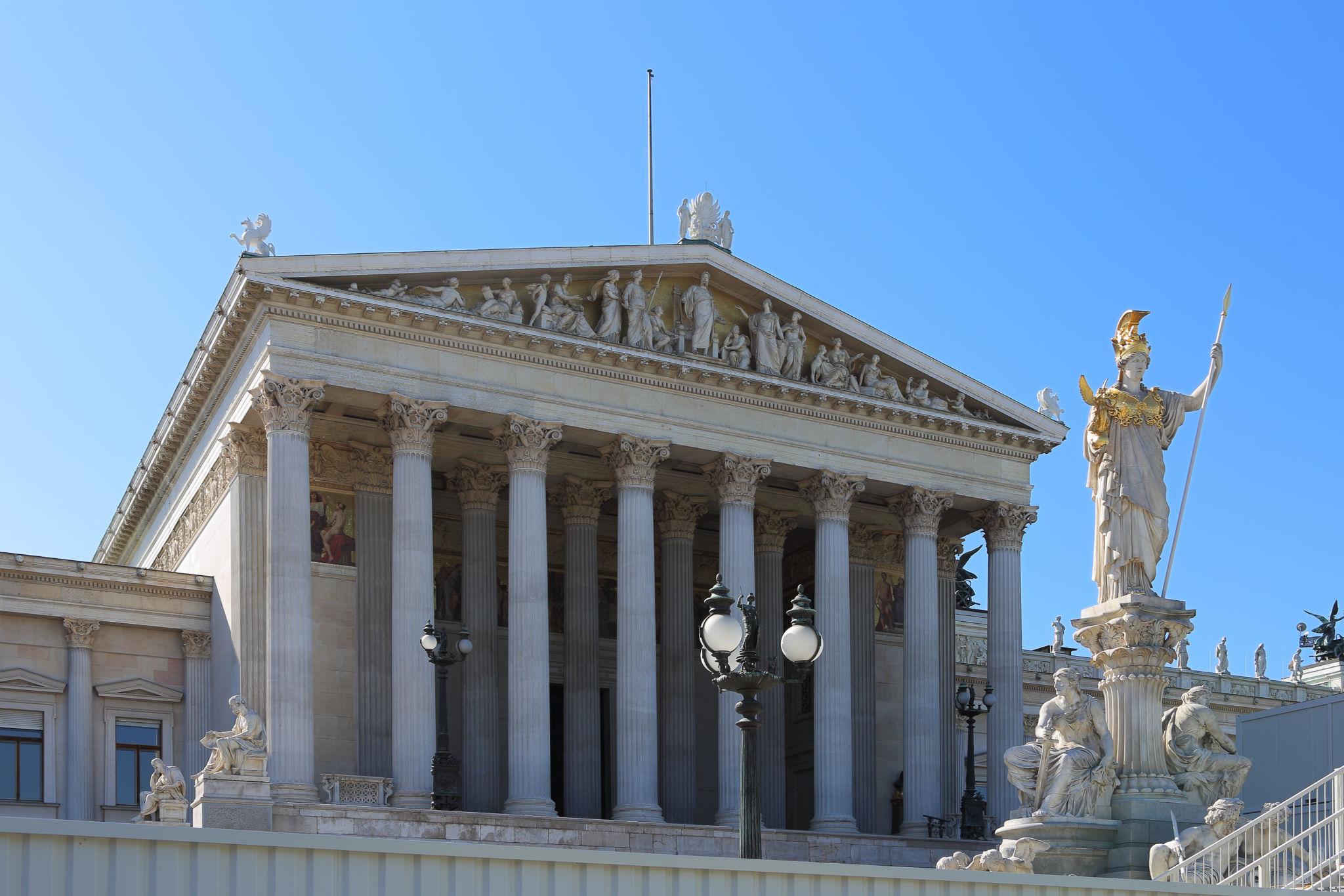
- Neo-Classical → tied to democracy and governance (parliament)
This deliberate stylistic symbolism helped communicate the empire’s ideals through architecture.
Iconic Buildings Along the Ringstrasse
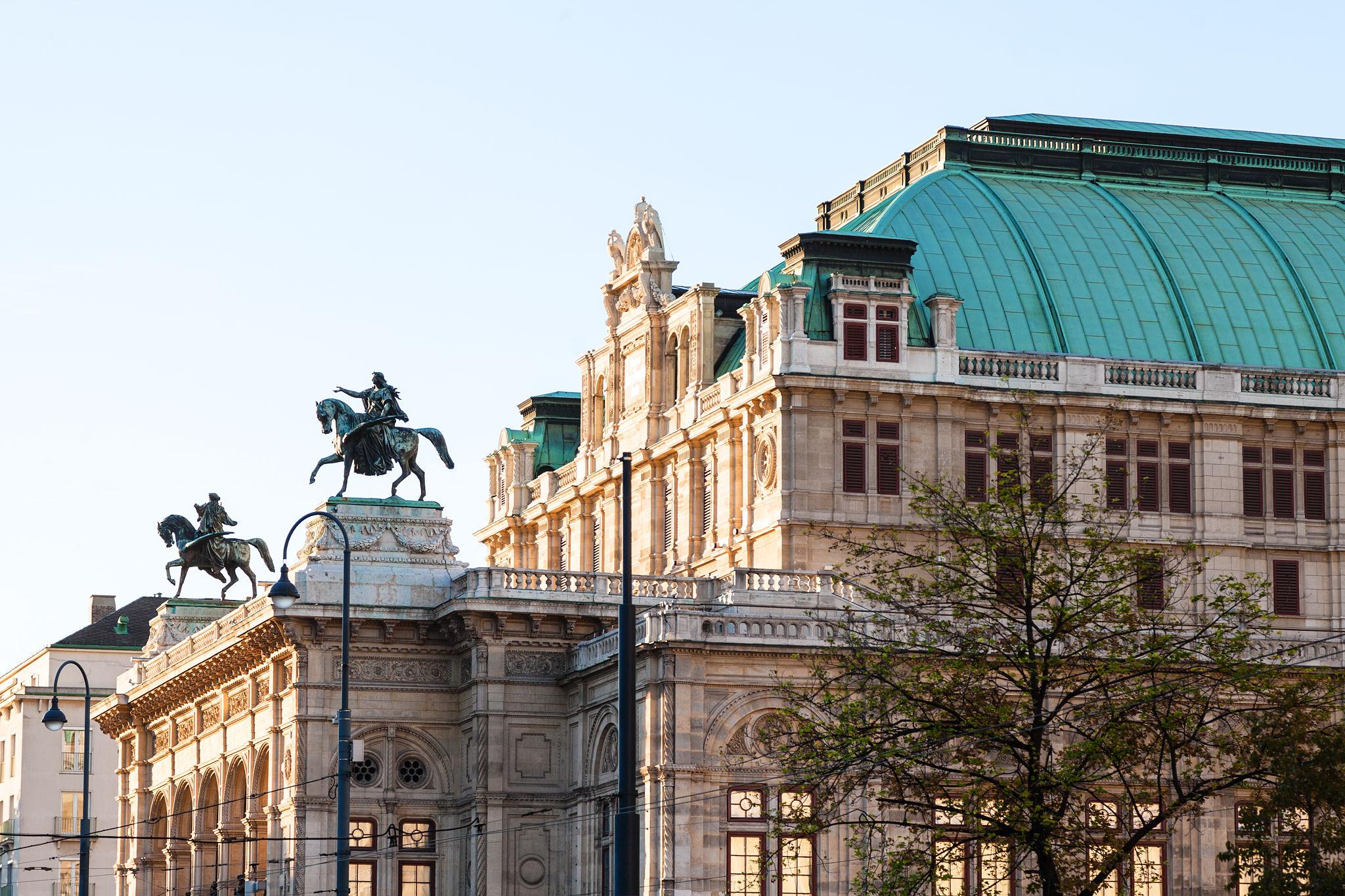
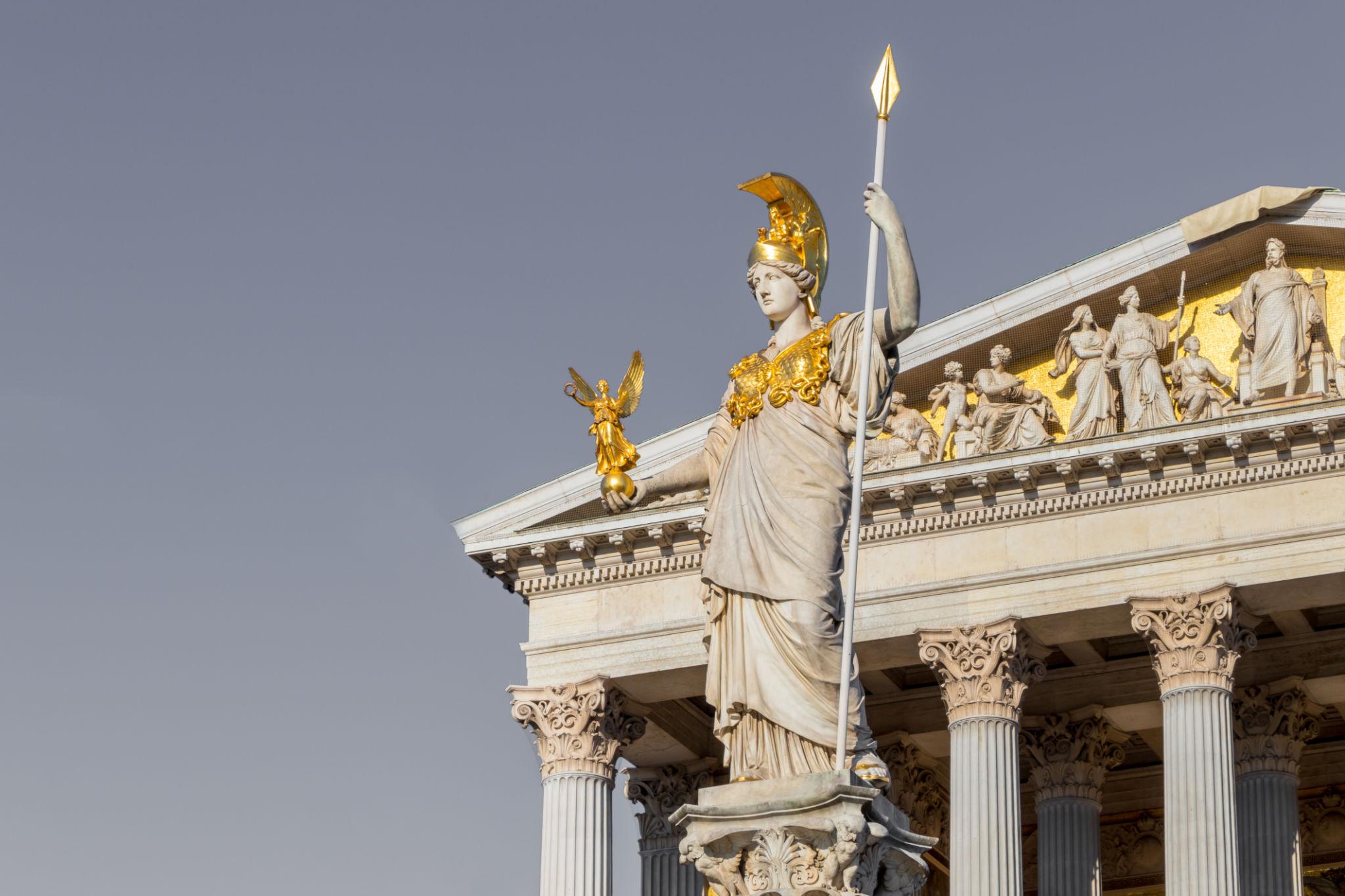
Some of Vienna’s most famous landmarks line the Ring:
Vienna State Opera (1869) A Neo-Renaissance masterpiece and a symbol of cultural prestige.
Austrian Parliament Building (1883) Designed in Greek Revival style, emphasizing democratic ideals.
Vienna City Hall (Rathaus) (1883) A Neo-Gothic structure representing civic authority.
Kunsthistorisches Museum (1891) A grand repository of imperial art collections.
Together, these buildings form a kind of architectural narrative—a curated display of empire, culture, and governance.
Social and Cultural Impact
The Ringstrasse wasn’t just about buildings—it reshaped Vienna’s social fabric.
- It became a promenade for the elite, where aristocrats and the rising bourgeoisie could see and be seen.
- Cafés, theaters, and parks turned the boulevard into a center of intellectual life.
- It helped integrate the old inner city with expanding suburbs, reflecting Vienna’s growth into a modern metropolis.
This environment nurtured the cultural explosion of fin-de-siècle Vienna, influencing figures like Gustav Klimt and Sigmund Freud.
Criticism and Legacy
Not everyone admired the Ringstrasse. Critics argued:
- Its historicist styles lacked originality.
- It represented imperial excess rather than genuine modernity.
Architects like Otto Wagner later pushed for more functional, modern design—helping usher in early modernism.
Yet today, the Ringstrasse is widely seen as:
- A masterpiece of urban planning
- A symbol of Vienna’s transformation into a global cultural capital
- A living museum of 19th-century architectural ambition
Why It Still Matters
The Ringstrasse captures a pivotal moment when cities across Europe transitioned from medieval fortresses to modern capitals. It embodies:
- The decline of military urban design
- The rise of civic identity and public space
- The blending of art, politics, and architecture
Walking the Ring today is like moving through a carefully staged vision of empire—one that still shapes Vienna’s identity.