Drumming in a small club
Playing a rock show in a small club as a drummer is about power with control. You want the band to hit hard without overwhelming the room or wrecking the mix. Here’s a practical, gig-tested guide.
Tune, Size, and Gear Choices (Small Room = Smart Choices)
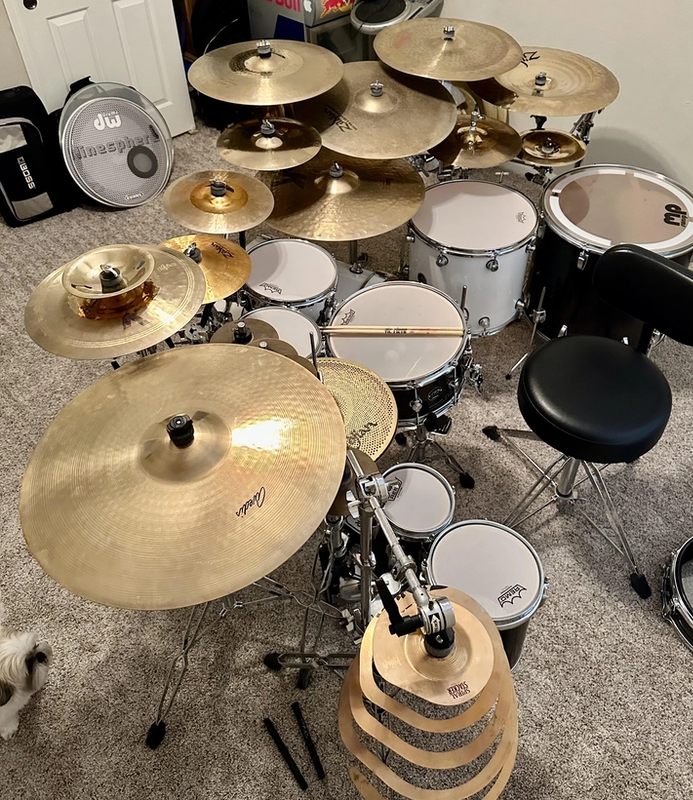
Not everyone has access to more than one drum kit, but if you do, bring your smaller kit to the small club
Drum sizes
- Smaller kick (22" or even 20") = punch without boom
- 12" rack tom / 14" floor tom are plenty
- Deep drums can overpower tiny rooms
Heads
- Coated heads tame brightness
- Slight muffling on kick (small pillow or pad)
- Avoid wide-open ringing toms
Cymbals
- Thinner cymbals = faster decay, less wash
- Darker rides/crashes sit better in tight spaces
- Smaller crashes (16–18") often sound bigger in context
Hardware tip
Bring memory locks or compact stands—stages are cramped and changeovers are fast
Volume Is Everything (You Set the Ceiling)
As the drummer, you control the band’s volume, whether you mean to or not.
Golden rule:
If you’re too loud acoustically, no PA can save the mix.
How to play loud without being loud
- Hit snare center, not a rimshot every time
- Lay back on cymbals, especially hi-hats
- Play kick confidently, not harder
- Save full power for choruses and endings
Pro move
- Play at ~80% during soundcheck
- Adrenaline will push you to 100% naturally during the set
Work With the Sound Engineer
Even in tiny clubs, there’s usually someone running sound. They are your best friend. Be nice to them.
Before the set
- Ask what they’re going to mic (often just kick + overhead)
- Adjust tuning and your playing volume if requested — this earns instant goodwill
- Don’t test blastbeats; play real grooves
During the show
- If cymbals aren’t mic’d, you are the cymbal mix
- If monitors are bad, lock into feel, not volume
- Don’t bitch about the monitors on mic. Use subtle hand signals to tell the sound engineer what you need.
Groove Over Chops (The Room Hears Feel First)
Small rooms exaggerate everything.
What works
- Deep pocket
- Clear backbeat
- Strong dynamics between sections
What doesn’t
- Busy ghost notes nobody can hear
- Endless fills between vocal lines
- Overplaying cymbals to “feel energy”
If the crowd is moving their heads, you’re winning.
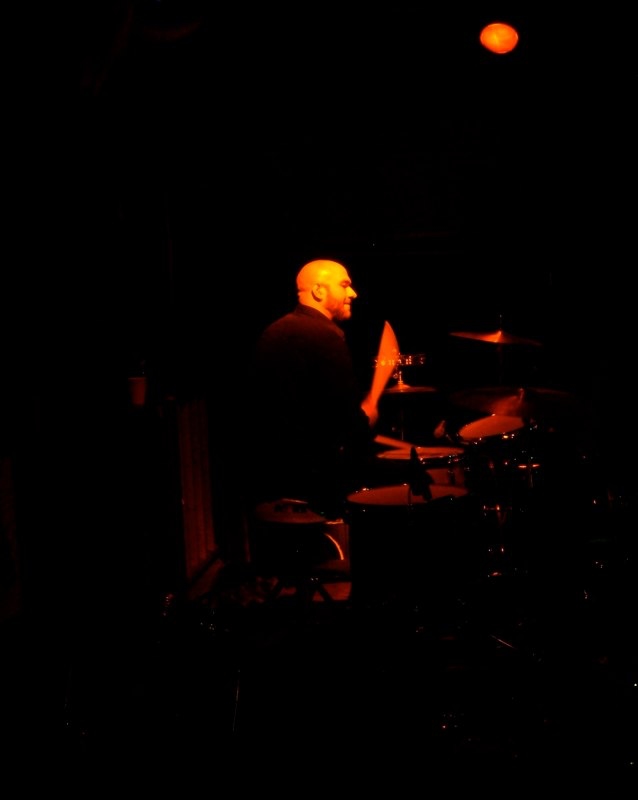
Stage Presence (Without Taking Up Space)
You’re visible—even behind a kit.
Body language
- Big motion on accents
- Sit tall, confident posture
- Lock eyes with bandmates on changes and full band hits
Between songs
- Stay relaxed
- Don’t noodle endlessly
- Count-in songs confidently and clearly
Logistics That Matter in Small Clubs
These things separate pros from chaos:
- Bring a rug (kicks slide on bar floors)
- Keep cases stacked tight backstage (do not block fire exits)
- Know your fastest teardown order (again, get the hell off the stage)
- Carry spare sticks within arm’s reach
- Keep
beerwater nearby — but not where it can spill on pedals
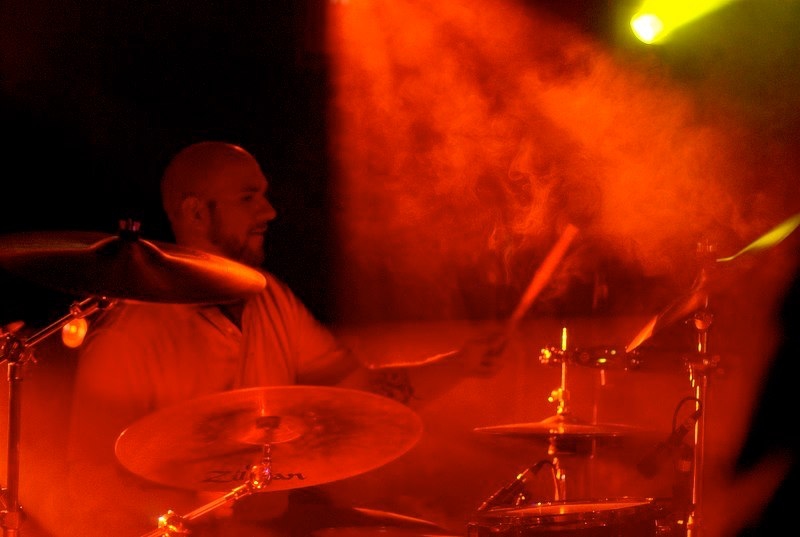
Mental Game: You’re Driving the Night
In a small club:
- The crowd is right there
- Mistakes feel bigger—but groove matters more
- Energy transfers instantly
Think like this
You’re not showcasing drums—you’re making the room move.
Play with control, hit hard only when it matters, respect the room, and make the band sound huge without actually being loud.